

The First National Historic Landmark for Baseball
Hinchliffe is a Truly Unique Site in the History of Baseball
Founded in 1792 by Alexander Hamilton, Paterson became the first planned industrial city in the United States. Harnessing the power of the Passaic River’s 77 foot Great Falls, the city helped fuel the American Industrial Revolution and later earned the nickname “Silk City” for its booming textile industry.
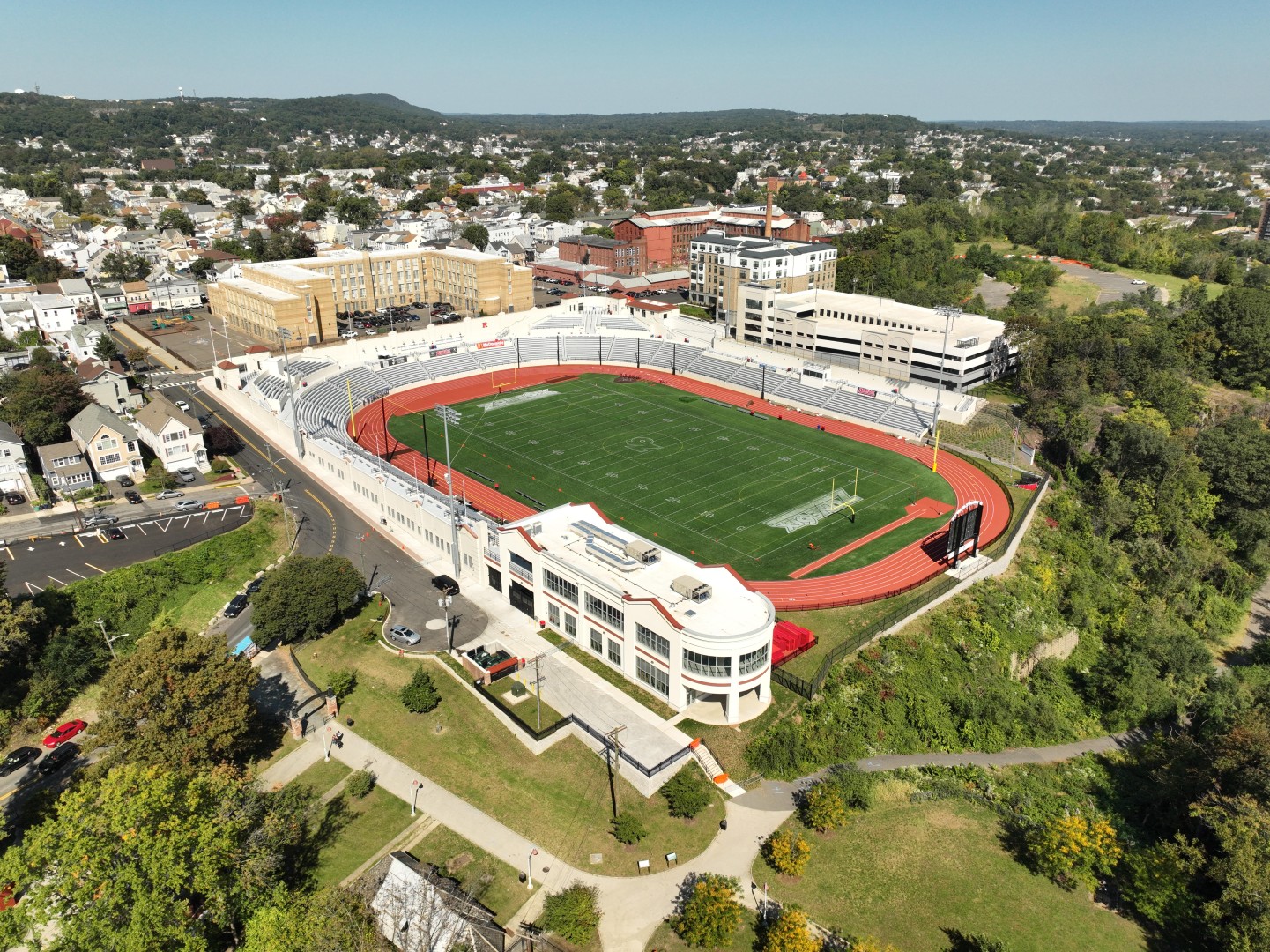
At the northwestern edge of Paterson sits Paterson Great Falls National Historical Park, home to the second largest waterfall by water volume east of the Mississippi River, behind only Niagara Falls. Rising above the falls is Hinchliffe Stadium, one of the most historically significant sports venues in the United States.
Hinchliffe Stadium is one of the last remaining Negro Leagues stadiums in the country and one of the most important surviving landmarks tied to Black baseball history. In 2013, the stadium received National Historic Landmark designation, becoming the first National Historic Landmark honoring baseball and the only sporting venue located within the boundaries of a National Park.
That designation was not simply because of the stadium’s age, but because of what Hinchliffe represented during one of the most segregated eras in American history. Long before Major League Baseball integrated, the stadium served as a stage where Black athletes showcased elite talent before diverse crowds despite the barriers of segregation. At a time when Black players were denied equal opportunities in professional sports, stadiums like Hinchliffe became centers of economic opportunity, cultural pride and community identity.
More than 20 future Hall of Famers played at Hinchliffe Stadium, including Josh Gibson, Cool Papa Bell and Oscar Charleston. Historians consider Hinchliffe one of the nation’s most important preserved Negro League sites alongside Rickwood Field in Alabama.
The stadium itself is deeply woven into the landscape and identity of Paterson. Built directly into the Watchung Mountain range, the concrete horseshoe shaped structure overlooks both downtown Paterson and the Great Falls. Its architectural style drew comparisons to the famed Polo Grounds, longtime home of the New York Giants.
The venue opened in 1932 during the height of the Great Depression and was named after former Paterson mayor John Vincent Hinchliffe, who served from 1928 to 1932. Hinchliffe championed the project as both a public works initiative and a civic centerpiece that would create jobs for local residents during difficult economic times.
Before entering politics, Hinchliffe operated a successful family brewing company in Paterson alongside his brothers. He died suddenly from a heart attack in 1934, just two years after the stadium opened bearing his family name.
Italian-born sculptor Gaetano Federici also played a major role in the stadium’s development and visual identity. Federici created a public model of the stadium during the planning stages in 1931 and later designed bronze athletic reliefs along with the stadium’s iconic “Roman Gladiator” sculpture.
The stadium’s national importance continued to grow throughout the 1930s and 1940s as Hinchliffe became a centerpiece of Negro League baseball. The venue regularly hosted the New York Black Yankees, the New York Cubans and the Newark Eagles, cementing its place in both sports and civil rights history.
Sports promoters quickly recognized that attendance increased whenever visiting African American teams played at Hinchliffe Stadium. The ballpark became one of the premier Negro League destinations in the Northeast and hosted games connected to the 1933 Colored Championship of the Nation, a series that helped establish regular Negro League baseball at the stadium beginning in 1934.
New York Black Yankees
The New York Black Yankees were co-founded in 1936 by James “Soldier Boy” Semler and entertainer Bill Robinson. Before officially adopting the Black Yankees name and joining the Negro National League, the club operated as the Harlem Black Bombers, one of the era’s most successful independent Black baseball teams.
Although the franchise carried the New York name, Major League scheduling conflicts often made finding fields in the city difficult. Hinchliffe Stadium became the team’s primary home field from 1934 through 1937 while continuing to host games throughout the 1940s.
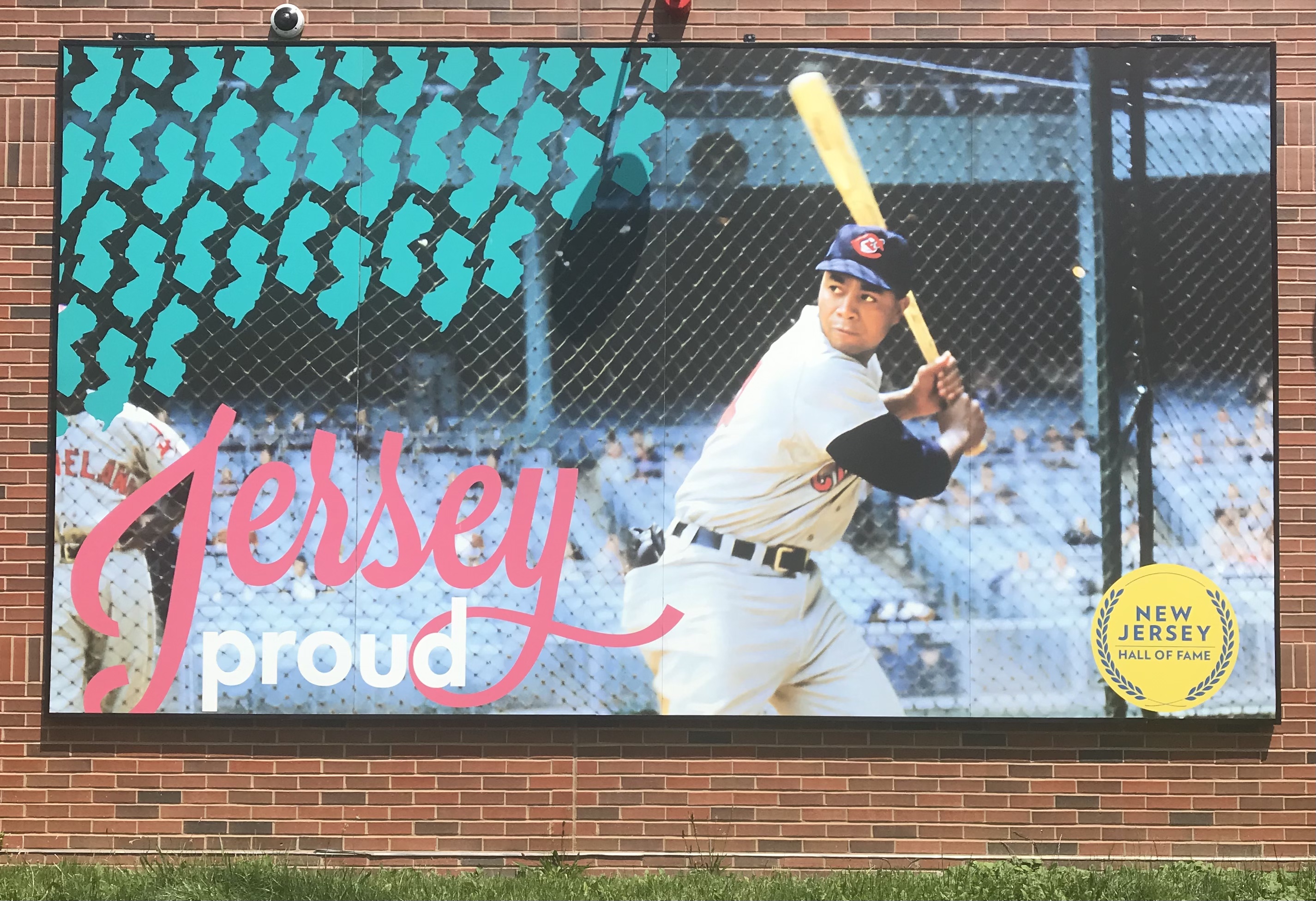
One of the most important moments in the stadium’s history came in 1942 when Paterson native Larry Doby attended a tryout at Hinchliffe as a 17 year old Eastside High School standout. To protect his amateur eligibility, Doby played under the alias “Larry Walker.” He later joined the Newark Eagles before breaking the American League color barrier in 1947 with the Cleveland Guardians, becoming the first African American player in the league just weeks after Jackie Robinson integrated the National League.
New York Cubans
The New York Cubans also helped define Hinchliffe Stadium’s legacy. Founded in 1935 by executive Alex Pompez, the team featured players from Cuba, Puerto Rico, the Dominican Republic and the United States, creating one of the most internationally diverse rosters in professional baseball at the time.
The Cubans became especially popular among North Jersey’s immigrant and working class communities. One of the franchise’s greatest stars was Martín Dihigo, widely regarded as one of the most versatile players in baseball history. His performances at Hinchliffe during the mid 1930s attracted fans from across the region.
In 1947, the Cubans captured the Negro League World Series behind a roster that included future Major League star Minnie Miñoso.
Newark Eagles
The Newark Eagles further elevated Hinchliffe Stadium’s historical significance. Owned by Abe and Effa Manley, the Eagles became one of the Negro Leagues’ premier franchises. In 2006, Effa Manley became the first woman inducted into the Baseball Hall of Fame.
The Eagles featured Hall of Fame talent including Monte Irvin, Leon Day, Biz Mackey and Don Newcombe. In 1946, the franchise defeated the Kansas City Monarchs in the Negro League World Series behind a roster that competed against legendary pitcher Satchel Paige.
Despite its historic importance, Hinchliffe Stadium eventually fell into severe deterioration and was later placed on the National Trust for Historic Preservation’s list of America’s most endangered historic places.
The stadium received renewed life after a restoration project exceeding $100 million restored the ballpark while preserving its historic character. The redevelopment included approximately 7,500 seats, a parking garage, interpretive museum space and mixed use additions surrounding the stadium.
Baseball officially returned to Hinchliffe Stadium in 2023 when the New Jersey Jackals relocated from Yogi Berra Stadium.
Today, nearly a century after opening, Hinchliffe Stadium continues to overlook the Great Falls as both a restored ballpark and a lasting monument to the athletes, communities and histories that helped shape America.
Latest Articles


Get Updates about all the latest Games & Events


